12,000 Assets, One Standard: How GeelongPort Connected Condition Data to Its Asset Register
How SAS-AM rebaselined 12,000 asset records across GeelongPort's estate in two months, standardising nomenclature and connecting condition data directly to Maximo via Unique Element Identifiers.
Executive Summary
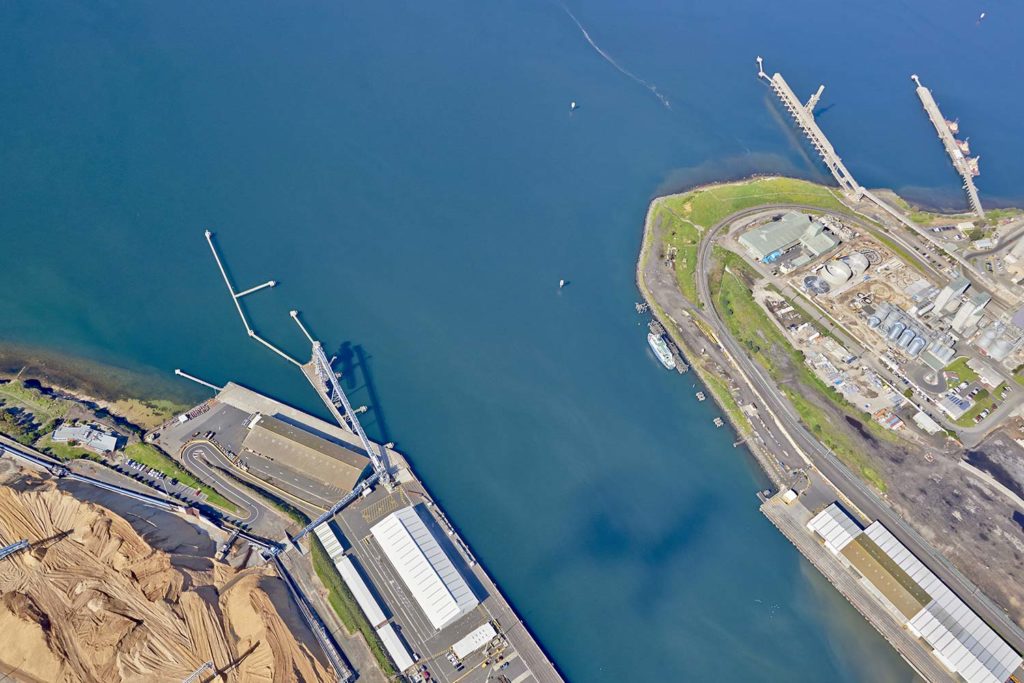
GeelongPort manages approximately 12,000 assets across 90 hectares of land, wharves and piers on Corio Bay. Over time, variations in data entry meant many asset records had inconsistent or unclear naming and were not well aligned. SAS-AM rebuilt the asset hierarchy, introduced standardised nomenclature, and aligned condition data to the correct assets using Unique Element Identifiers. The outcome is a cleaner, more consistent, and traceable asset register that provides a strong foundation for effective asset management planning.
The Challenge
GeelongPort's Maximo system held approximately 12,000 asset records. But the data told the wrong story.
Over years of organic growth, the register had accumulated inconsistencies that made it increasingly difficult to use. For example, naming conventions varied between wharves. Across the register, roughly 10,000 assets had confusing, duplicated, or basic descriptions.
A key challenge was aligning external condition assessments with Maximo. Inspectors used different asset IDs and naming conventions, making it difficult to reliably link condition data to the asset register.
In practice, this limited the effective use of asset data. Multiple sources of truth and duplicated records added unnecessary volume and complexity for maintenance teams.
Earlier cleanup efforts addressed individual records but did not resolve the underlying structural issues.
The Approach
SAS-AM took a structured, phased approach over approximately two months.
To accelerate the rebuild, SAS-AM developed a custom Python asset hierarchy viewer that allowed the team to visualise the evolving structure in real time, catching naming inconsistencies and structural issues as they arose, rather than after upload.
Key differentiator: The standardised UEI system means condition assessments now map directly to the Maximo asset record. One asset, one identity, one history.
The Outcomes
The rebuilt hierarchy gives GeelongPort a single, consistent register across its estate, with direct traceability from every condition assessment finding to its Maximo asset record. For the first time, condition data feeds directly into maintenance planning rather than sitting in a separate report.
GeelongPort also received standardised business rules for asset classification — defining what constitutes an asset versus a component, and how each should be represented in Maximo — along with a clear implementation roadmap for integrating remaining data classes.
What We Learned
- Fix the structure, not just the records. Individual record cleanup creates a tidier spreadsheet but doesn't solve the underlying problem. Rebuilding the hierarchy from first principles delivered a framework that scales.
- Bridge the condition data gap early. The biggest value unlock wasn't tidier naming. It was connecting condition assessment data to the right assets. That single link transforms condition reports from static documents into actionable maintenance intelligence.
- Visualise as you build. The custom Python hierarchy viewer caught issues in real time that would have been invisible in a spreadsheet. Seeing the hierarchy take shape helped both teams make better decisions faster.
- Involve the operators. The onsite exploration day wasn't a formality. Team leaders identified issues that data analysis alone would have missed.
Ready to Achieve Similar Results?
Contact SAS-AM for a practical assessment of your asset register and condition data alignment. We work wharf by wharf, asset by asset, to build registers you can rely on.
Project Details: Transport (Ports) · Approximately 2 months · Asset Data Rebaselining, Hierarchy Redesign, Condition Data Mapping.

ISO 55001 Certification Is a Floor, Not a Finish Line